
Blog
The Four Scalp Types, Explained

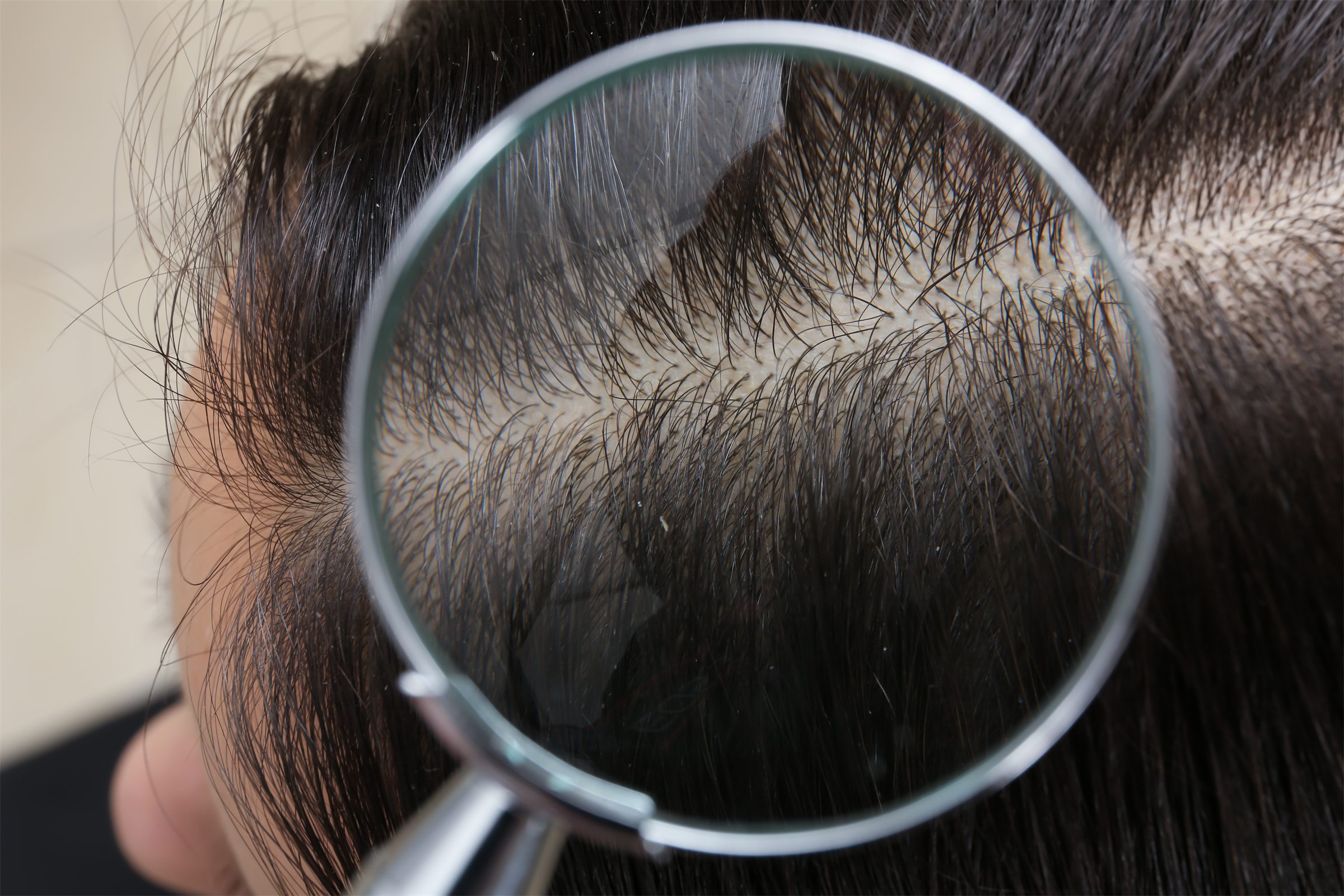
Most people choose hair products by hair type. Fine, thick, curly, color treated. That is half the picture. The scalp underneath is skin, and it behaves like skin, which means it has its own type and its own needs.
There are four, and telling them apart takes about five minutes.
Balanced
A balanced scalp produces enough oil to stay comfortable without leaving hair weighed down. Hair holds volume for two to three days between washes. There is no persistent itch, no flaking, no tightness after washing.
If this is you, the goal is maintenance. Do not over correct a scalp that is already working.
Oily
An oily scalp overproduces sebum. Roots look flat within a day of washing, and hair separates into strands rather than moving as one. Some people notice a heavier feel at the crown before anywhere else.
- Roots feel greasy within 24 hours
- Volume collapses fast at the crown
- Product buildup happens quickly
- Washing more often seems to make it worse
That last point catches people out. Stripping oil aggressively can push the scalp to produce more, which is why frequent harsh washing often backfires.
Dry
A dry scalp underproduces oil. It feels tight after washing, sometimes itchy, and may shed small flakes that look powdery rather than greasy. Hair can look dull because there is not enough natural oil traveling down the shaft.
Dry scalp and dandruff are not the same condition, and they do not respond to the same treatment. Treating one as the other is the most common mistake we see.
Combination
A combination scalp is oily in some zones and dry in others. Typically the crown and hairline run oily while the nape and the area behind the ears stay dry. It is the trickiest to treat because a single product applied everywhere will overshoot on one zone.
The fix is placement, not a different product. Apply where the need is, not across the whole head.
How to find your type
- Wash with a gentle cleanser and skip conditioner at the roots
- Let hair dry naturally with no product
- Wait 24 hours
- Press a clean tissue against the crown, the hairline, and the nape
- Compare the three
Oil on all three points to an oily scalp. Oil on none, with any tightness, points to dry. Oil on some but not others is combination.
This works, but it is a rough read. A sebum test measures the oil directly and removes the guesswork, which matters if your scalp sits near a boundary between two types.
Why the type matters
Every decision downstream depends on it. Wash frequency, whether you need conditioner at the root, which elixir suits you, and how often to reassess. Start with the wrong type and a good routine still produces poor results.
Scalp type also shifts. Season, stress, medication, and age all move it. Reassessing two or three times a year is reasonable for most people.