
Blog
What a Digital Scalp Analyzer Actually Shows You

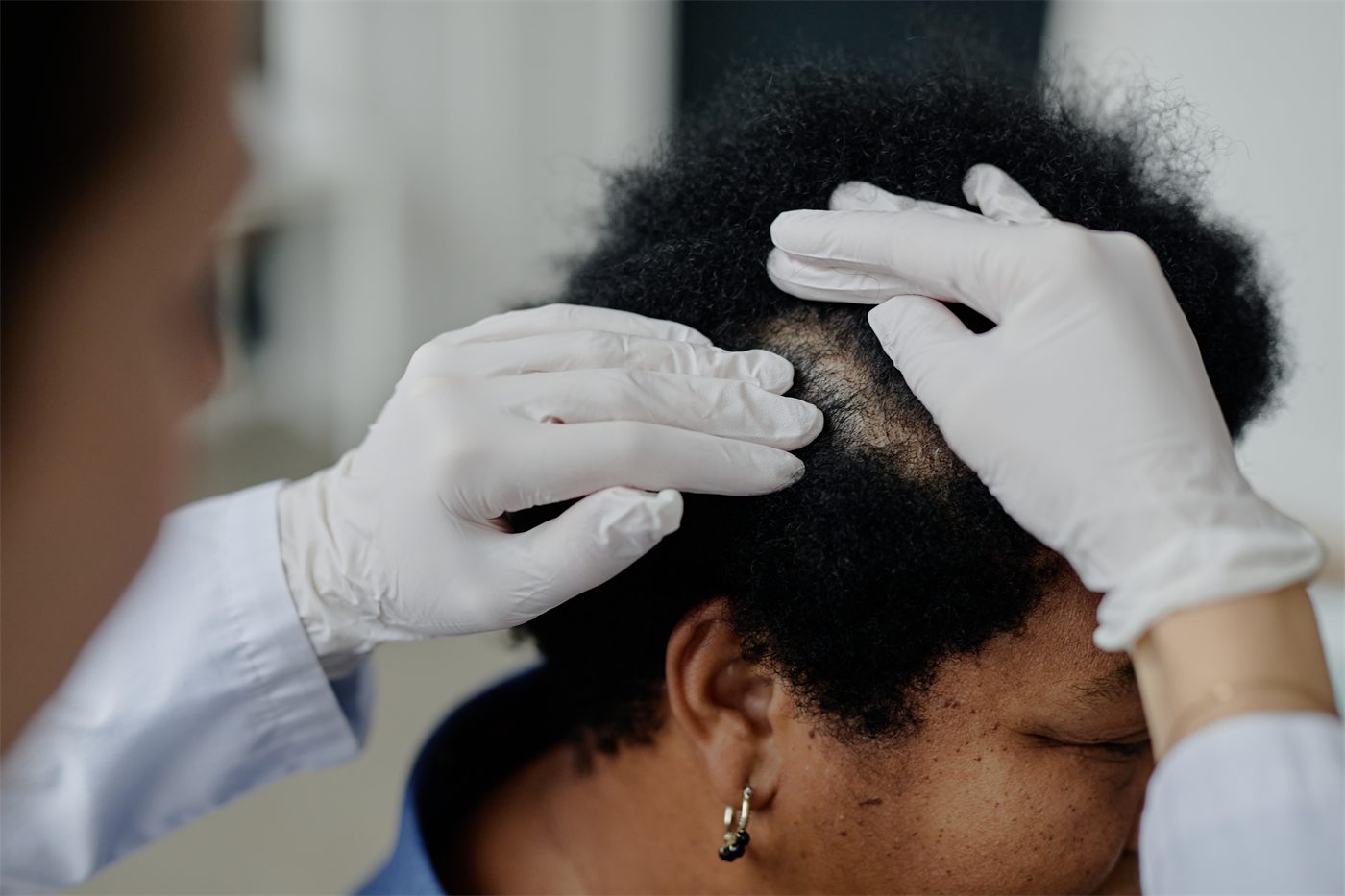
A sebum test tells you how much oil your scalp is producing. It does not tell you what the skin and follicles look like, and sometimes that is the part that explains everything.
What magnification reveals
At 50x to 1000x, several things become visible that are invisible at arm’s length.
- Product buildup sitting around the follicle opening
- Flaking, and whether it is dry and powdery or oily and clumped
- Redness and irritation at the skin surface
- How many hairs emerge from each follicle
- Dryness patterns that vary across zones
Why the picture matters
Two people can return the same oily reading for different reasons. One is genuinely overproducing. The other has weeks of product residue holding oil against the skin. The number is identical. The treatment is not.
The test gives you the number. The analyzer shows you the cause behind it.
Tracking change over time
Scalp change is slow enough that memory is unreliable. Photographing the same three zones every few weeks turns a vague sense of improvement into something you can check.
- Pick three fixed points and note how you located them
- Photograph in similar lighting each time
- Capture before washing, not after
- Keep the images dated in one folder
- Compare across six to eight weeks rather than week to week
What it does not do
An analyzer is not a diagnostic device. It shows surface detail. It cannot identify a medical condition, and persistent irritation, sudden shedding, or well defined scaly patches need a clinician regardless of what the image shows.
Using both together
Test first for the number, then look for the cause. Used together they answer two different questions, and most routine decisions need both answers.